

Gastro Care


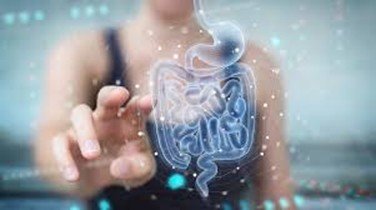
Complete Care for Digestive Health From simple indigestion to complex liver, pancreatic, and intestinal diseases — we provide expert consultation, diagnosis, and treatment under one roof.
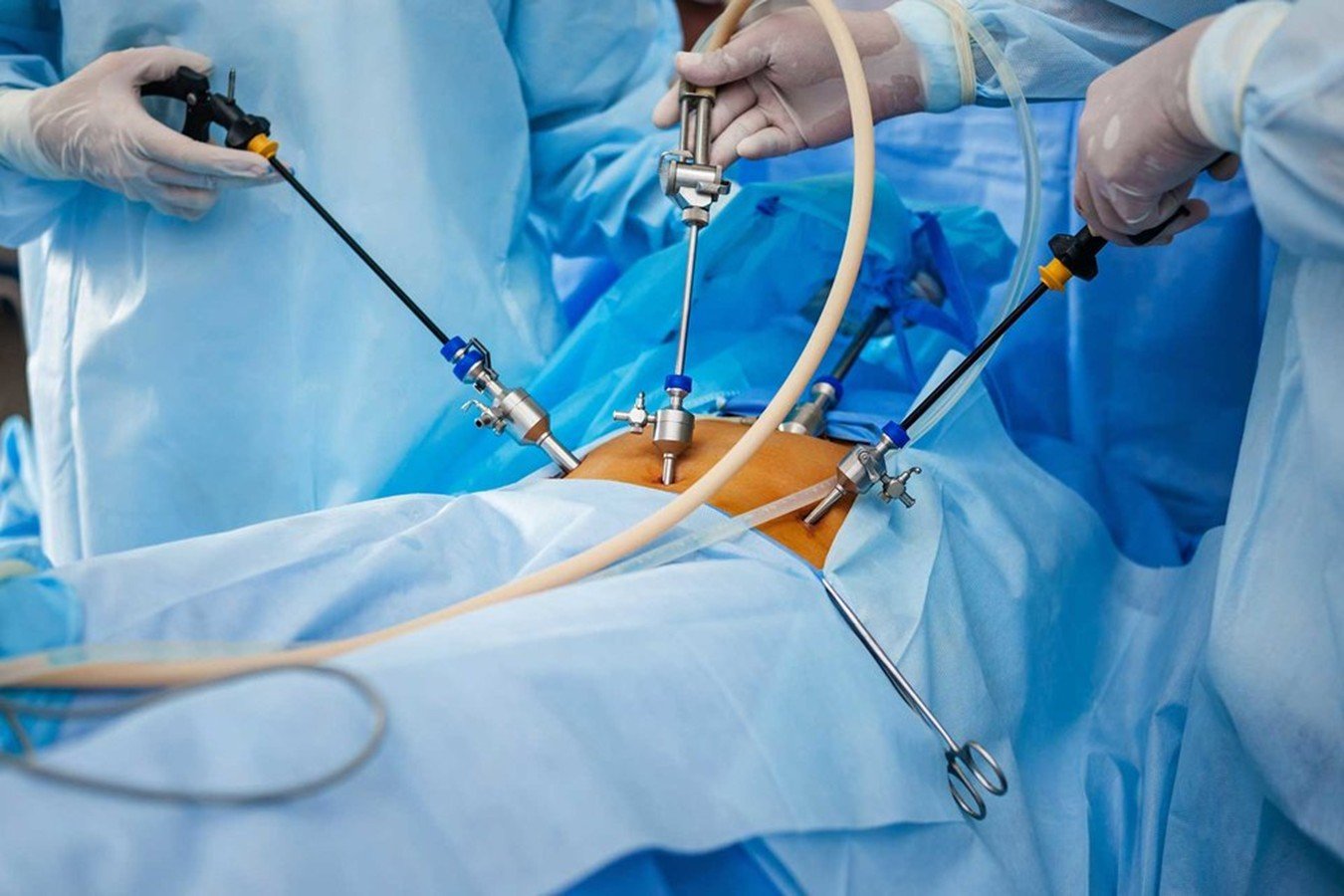
Advanced Endoscopy & Minimally Invasive Treatments We use the latest technology in endoscopy, colonoscopy, and laparoscopic procedures to ensure accurate diagnosis, faster recovery, and minimal discomfort.

Compassionate Support, Round-the-Clock With 24/7 gastro emergency care and a team of dedicated specialists, we’re always ready to respond with timely, effective, and patient-friendly solutions.

Ulcers are open sores that develop in the lining of the stomach, small intestine, or esophagus. They can cause burning stomach pain, bloating, and nausea. Most ulcers are caused by H. pylori infection or long-term use of NSAIDs. Early diagnosis and treatment prevent complications like bleeding or perforation.
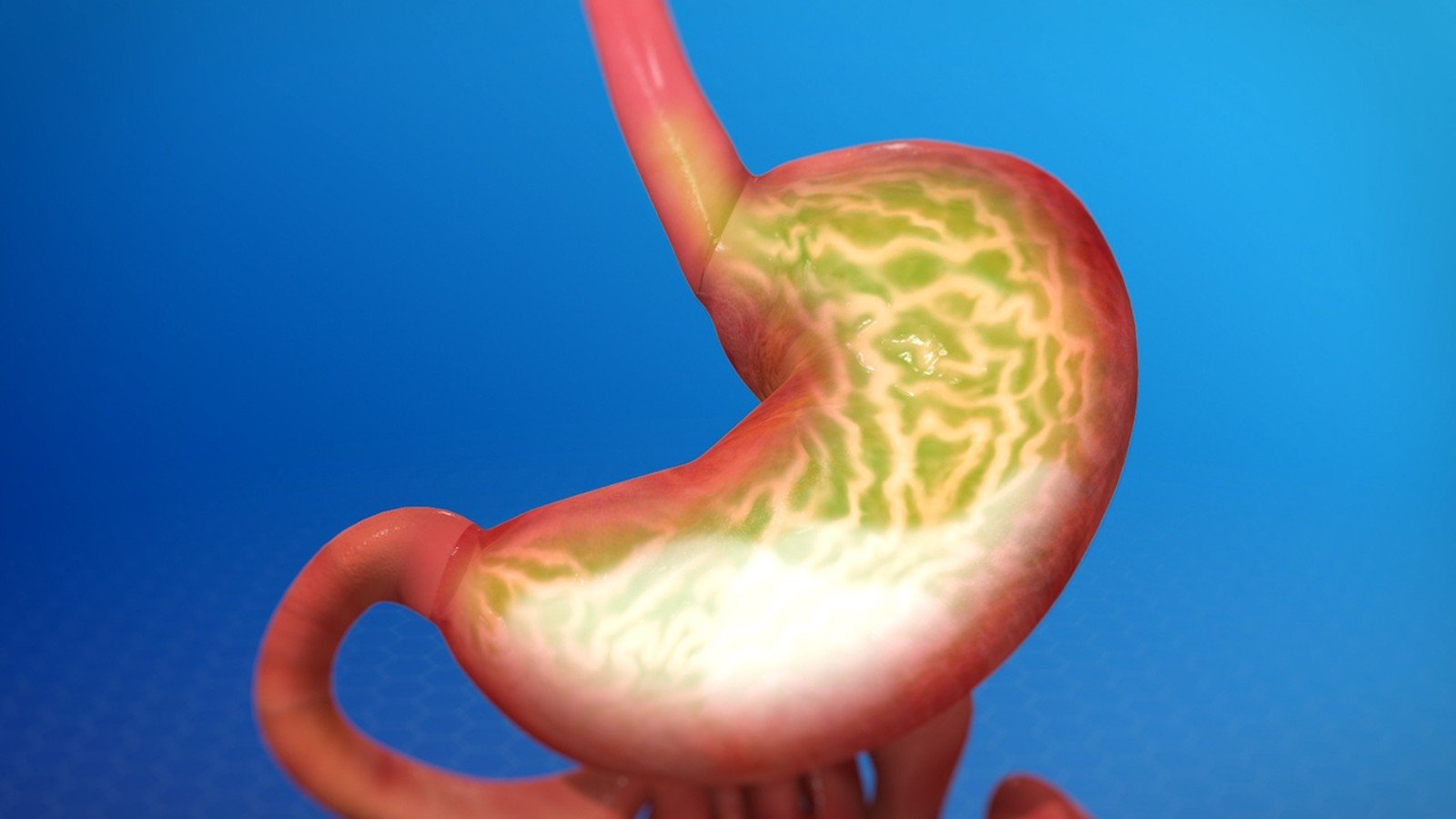
GERD occurs when stomach acid frequently flows back into the esophagus, irritating its lining. Common symptoms include heartburn, chest discomfort, and regurgitation. Long-term GERD can lead to esophageal damage. It is managed with lifestyle changes, medications, and sometimes surgical intervention.
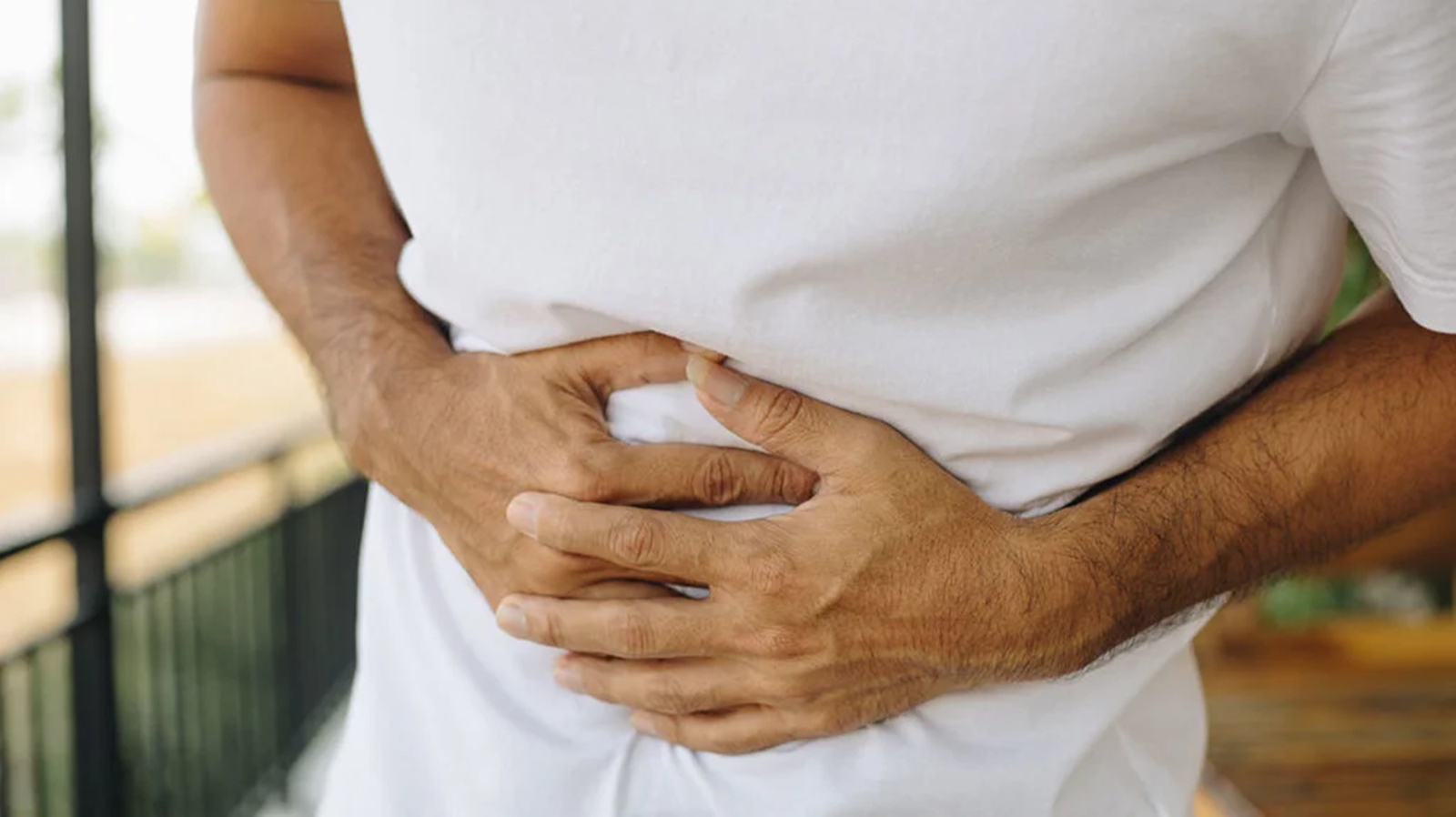
These include bacterial, viral, or parasitic infections that affect the stomach and intestines, leading to symptoms like diarrhea, vomiting, abdominal cramps, and fever. Prompt hydration, stool analysis, and targeted antibiotic or antiviral treatment are key for effective recovery.
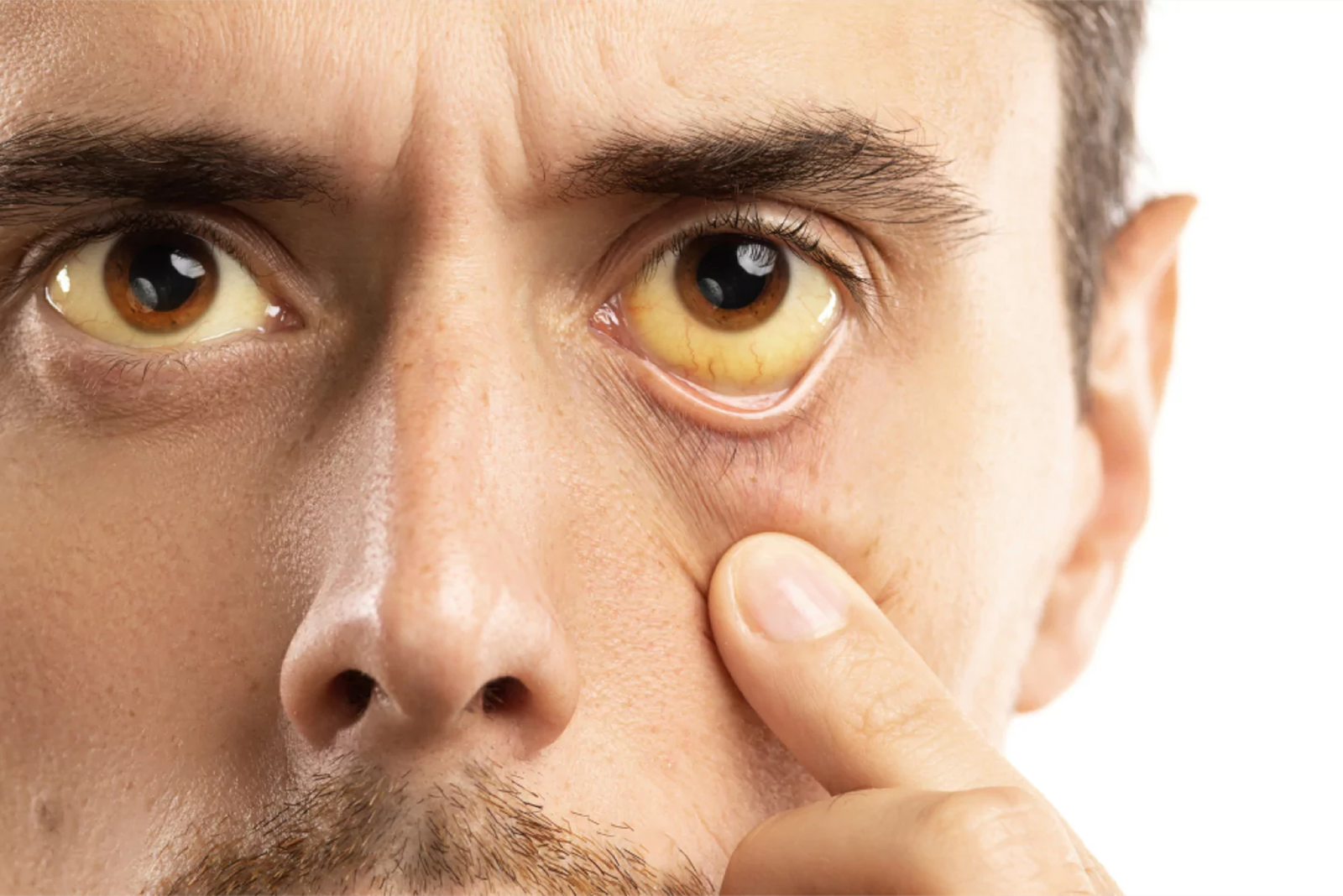
Gilbert’s Syndrome is a mild liver disorder where the liver doesn't process bilirubin efficiently. Though usually harmless, it can cause occasional yellowing of the skin or eyes (jaundice). It typically requires no treatment, but diagnosis is important to differentiate it from more serious liver conditions.




Pavanitha

D. Sri Kanishka

Pavanitha
D. Sri Kanishka