


Tips for Maintaining a Healthy Heart: From Our Cardiologists
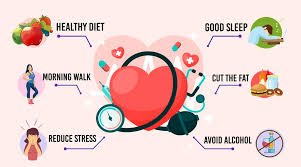
Table of Content
- No sections available.
The heart is the powerhouse of your body — beating around 100,000 times every day to pump life-sustaining blood throughout your system. Yet, heart disease remains one of the leading causes of death worldwide. The good news? Most heart problems are preventable through simple lifestyle changes and regular checkups.
Here are expert heart health tips from our cardiologists to help you keep your heart strong and healthy.
❤️ 1. Eat a Heart-Healthy Diet
What you eat directly affects your heart’s health.
Include more:
- Fresh fruits and vegetables
- Whole grains
- Lean proteins like fish and legumes
- Healthy fats (nuts, olive oil, avocados)
Avoid:
- Processed foods
- Excess salt and sugar
- Trans fats and fried foods
A balanced diet helps control cholesterol, blood pressure, and body weight — all vital for heart health.
🏃♀️ 2. Stay Physically Active
Aim for at least 30 minutes of moderate exercise five days a week. Activities like brisk walking, cycling, swimming, or yoga can strengthen your heart, improve circulation, and manage stress.
Even small changes like taking stairs instead of elevators or walking short distances make a big difference.
🚭 3. Quit Smoking and Limit Alcohol
Smoking damages your arteries and lowers oxygen in the blood, forcing your heart to work harder. Quitting smoking is the single best thing you can do for your heart.
If you drink alcohol, do so in moderation — excessive drinking can lead to high blood pressure and heart failure.
😌 4. Manage Stress
Chronic stress can increase your risk of hypertension and heart disease. Practice stress-reducing activities like meditation, deep breathing, listening to music, or spending time with loved ones.
⏱️ 5. Get Regular Health Checkups
Regular health screenings help detect risks early. Our cardiologists recommend checking:
- Blood pressure
- Cholesterol levels
- Blood sugar
- Body weight and BMI
Early detection can prevent heart disease from progressing. Schedule annual heart checkups with your healthcare provider.
💤 6. Prioritize Good Sleep
Adults should aim for 7–8 hours of quality sleep per night. Poor sleep increases the risk of obesity, hypertension, and diabetes — all linked to heart disease.
🧠 7. Know Your Risk Factors
Family history, age, obesity, and sedentary lifestyle all contribute to heart disease. If you have a higher risk, consult your cardiologist for a personalized prevention plan.